Most Holy Body & Blood of Christ
The Gospel presents a gift ......
Readings for:Solemnity of the Most Holy Body & Blood of Christ
Reading 1 Deuteronomy 8:2-3, 14b-16a
Psalm Psalm 147:12-13, 14-15, 19-20
Reading 2 1 Corinthians 10:16-17
Gospel John 6:51-58
REFLECTIONS:… from Father Daniel
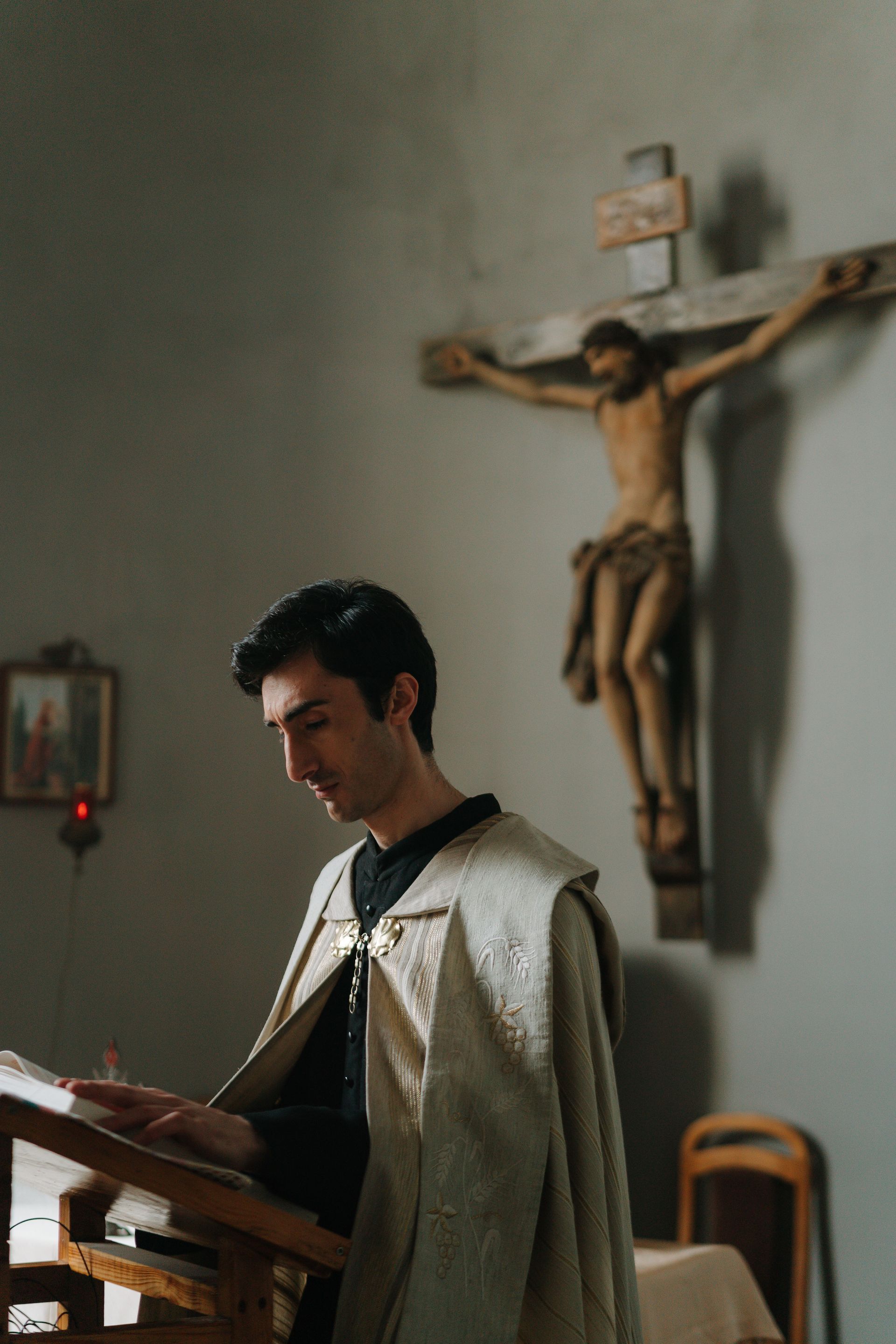
The three readings today help us to reflect on the meaning of the Eucharist. The first speaks to manna, an unexpected gift of God, that gave life to the people of Israel during their stay in the desert. The Gospel presents a gift immensely superior to manna. It is the bread that gives eternal life. To eat such bread means to want to be identified with Christ. The second reading tells us that the Eucharist is not bread to be eaten alone. It is broken and shared as a means and sign of unity.
There is a profound link between human and divine beauty. We can hear it in the famous words of St. Iranaeus of Lyons: “The glory of God is man alive.” This feast focuses on how God sustains us with the flesh and blood of His Son, Jesus, the bread of life. It’s like a doctor saying to a patient, “If you take this medicine or have this procedure you will have a good life ahead of you; if you refuse you will die in a very short time for Jesus said: “Unless you eat the flesh of the Son of Man and drink of his blood you will not have life within you.” We need faith to accept Jesus’ claims that we must feed on His Body and Blood if we would have life.
Sometimes, think of energy that food gives us, I like to think of divine energy replacing the limited energy that’s in a piece of bread or cup of wine when the priest says the words of Jesus: this is my body and this is the chalice of my blood. If divine energy is present, then God is present and God’s life is eternal. I think the Eucharist is really a test of faith, a test that tells us we really believe in the power of Jesus and the power of his words. I believe when Jesus spoke, things happened. When he said this is my body, this is my blood, they were changed just as when he said to a dead person to rise up. St. Thomas Aquinas said, “No sacrament contributes more to our salvation than this; for it purges away our sins, increases our virtues and nourishes our minds with an abundance of all the spiritual gifts.”